
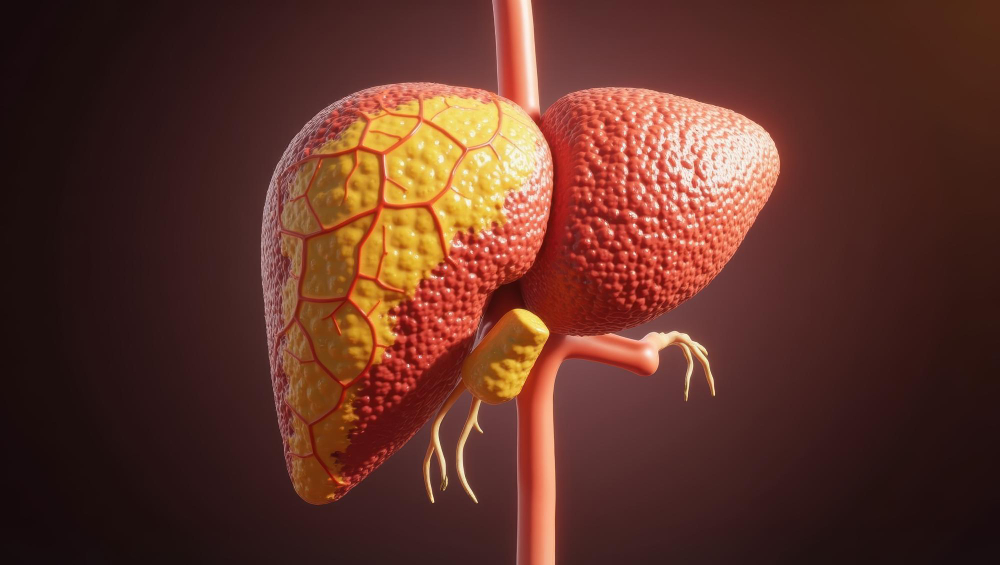
What is Fatty Liver Disease?
Fatty liver disease happens when extra fat builds up in the liver. This condition is often called a “silent liver condition” because many people do not notice any symptoms at first. In fact, you may not know you have it until a doctor finds it during a routine checkup. Fatty liver disease is becoming more common, especially in the United States. It can affect both adults and children. There are two main types: non-alcoholic fatty liver disease (NAFLD) and alcoholic fatty liver disease. NAFLD is not linked to heavy alcohol use, while the alcoholic type is caused by drinking too much alcohol.
Common Symptoms
Most people with fatty liver disease do not feel sick at first. However, as the condition gets worse, some symptoms may appear. For example, you might notice:
Still, many people have no signs at all. That is why fatty liver disease is often called a silent liver condition.
Main Causes and Risk Factors
There are several reasons why someone might develop fatty liver disease. Some of the main causes and risk factors include:
In addition, people with metabolic syndrome are at higher risk. Metabolic syndrome is a group of conditions like high blood pressure, high blood sugar, and extra belly fat. According to the CDC, fatty liver disease is more common in people with these risk factors.
How Fatty Liver Disease is Diagnosed
Doctors use several methods to diagnose fatty liver disease. First, they may ask about your health history and do a physical exam. Next, they often order blood tests to check liver function. Sometimes, these tests show high liver enzymes. However, blood tests alone cannot confirm fatty liver disease. Therefore, doctors may use imaging tests such as:
In some cases, a liver biopsy is needed. This means a small piece of liver tissue is taken and checked under a microscope. But, most people do not need a biopsy.
Effective Treatment Options
There is no single medicine approved for fatty liver disease. However, treatment for fatty liver disease focuses on managing the main causes. For example, doctors may suggest:
Sometimes, doctors may recommend vitamin E or other supplements, but only under medical advice. In rare cases, if the liver is badly damaged, a liver transplant may be needed.
Lifestyle Changes and Prevention Tips
Making healthy choices can help prevent or slow down fatty liver disease. Here are some tips:
With these steps, you can lower your risk and improve your liver health. For more details, the CDC and WHO offer helpful resources on how to prevent fatty liver.
When to See a Doctor
It is important to see a doctor if you notice any symptoms of fatty liver disease. For instance, if you feel tired all the time, have belly pain, or see yellowing of your skin or eyes, get medical help. Also, if you have risk factors like obesity or diabetes, regular checkups are wise. Early diagnosis can help prevent serious liver problems later.
In summary, fatty liver disease is a silent liver condition that can be managed with healthy habits and medical care. Consult Dr. Aashika Bhashyakarla for personalized advice on fatty liver disease.