
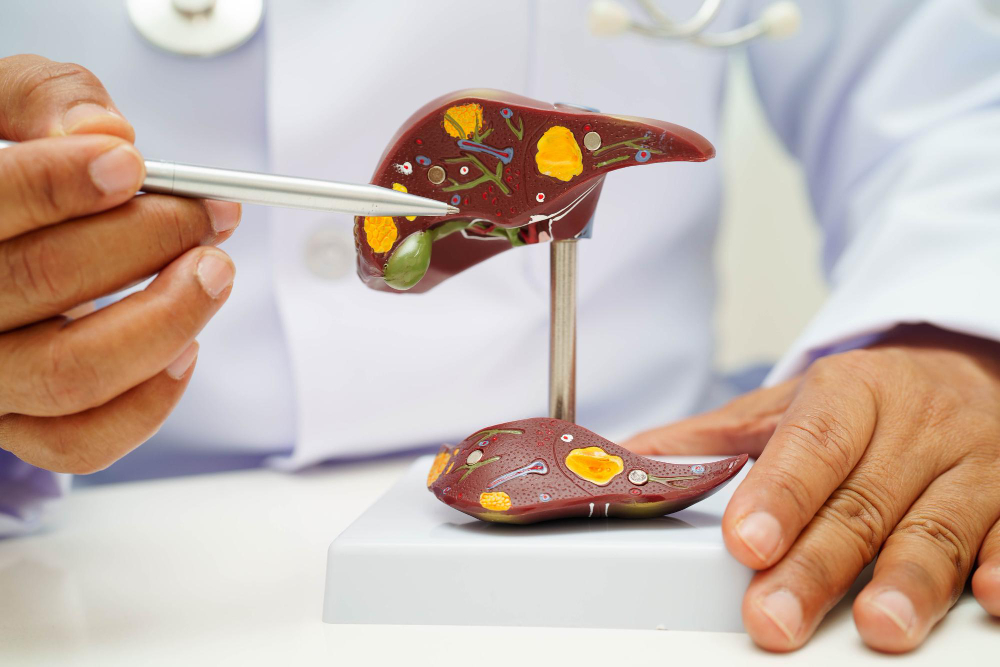
What Are Gallstones?
Gallstones are small, hard pieces that form in the gallbladder. The gallbladder is a small organ under your liver. It stores bile, which helps digest fat. Sometimes, bile can harden and form stones. These stones can be as small as a grain of sand or as large as a golf ball. Gallstones can cause pain and other problems if they block the flow of bile.
Symptoms of Gallstones
Many people with gallstones do not have symptoms. However, when symptoms appear, they can be uncomfortable. For example, you may notice:
Because these symptoms can be caused by other problems, it is important to see a doctor for a proper diagnosis.
Causes and Risk Factors
Gallstones form when the balance of substances in bile changes. For instance, too much cholesterol or bilirubin can cause stones. Several factors can increase your risk, such as:
Although anyone can get gallstones, these factors make them more likely.
When Is Treatment Necessary?
Not all gallstones need treatment. In fact, if you do not have symptoms, you may not need any gallstones treatment. However, treatment becomes necessary when:
Because untreated problems can be serious, it is important to talk to your doctor if you have symptoms.
Diagnosis of Gallstones
Doctors use several tests to find gallstones. For example, they may use:
Once gallstones are found, your doctor will discuss the best next steps for your gallbladder health.
Treatment Options
There are several ways to treat gallstones. The right choice depends on your symptoms and health. Common gallstones treatment options include:
Because surgery is safe and effective, it is often recommended for people with symptoms.
Prevention Tips
While you cannot always prevent gallstones, some steps may help lower your risk. For instance, you can:
Because healthy habits support gallbladder health, they may help prevent problems in the future.
When to See a Doctor
Although mild pain may go away on its own, you should see a doctor if you have:
Because these signs may mean a serious problem, do not wait to get help.
For personalized advice on gallstones treatment, consult a gastroenterologist Dr. Aashika Bhashyakarla . Early care can help protect your health and well-being.