
What is H. Pylori?
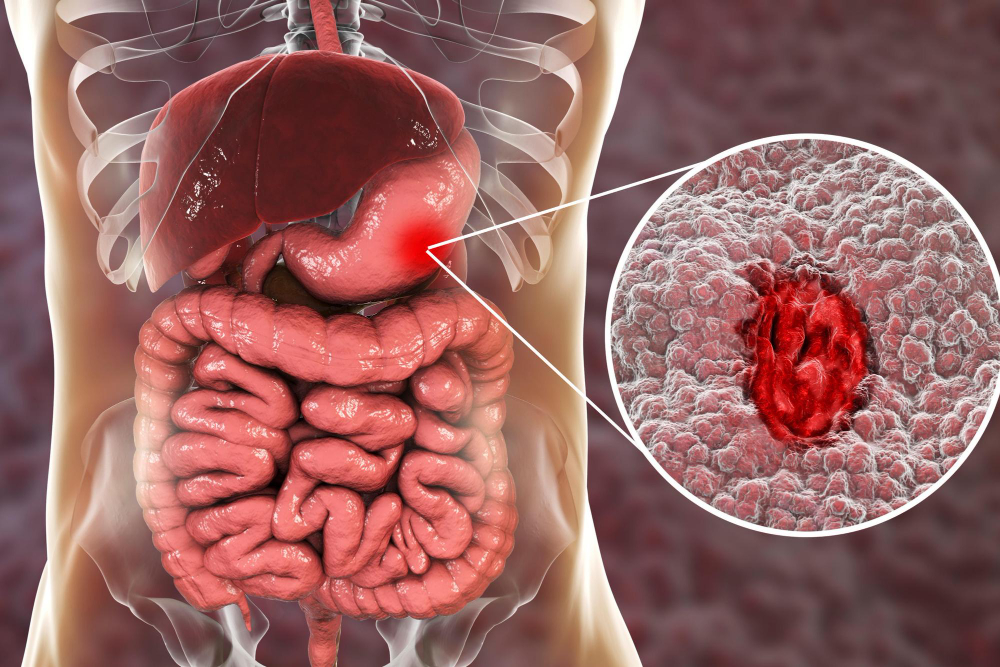
H. pylori is a type of bacteria that lives in the stomach. In fact, it is one of the most common infections worldwide. According to the World Health Organization (WHO), over half of people may have H. pylori at some point. However, many do not know they have it. This is because it often causes no symptoms at first. Still, H. pylori can lead to health problems later. For example, it is the main cause of most stomach ulcers. Stomach ulcers are painful sores in the lining of the stomach. Because of this, learning about H. pylori is important for your health.
How H. Pylori Causes Stomach Ulcers
Once H. pylori enters the stomach, it can damage the protective lining. As a result, stomach acid can reach the tissue underneath. This may cause irritation and sores, which are called ulcers. Over time, these ulcers can become painful. Sometimes, they may even bleed. According to the Centers for Disease Control and Prevention (CDC), H. pylori is the leading cause of stomach ulcers. While other things like pain relievers can also cause ulcers, H. pylori is the most common reason.
Because of this process, treating H. pylori is key to healing ulcers.
Common Symptoms of H. Pylori Infection
Many people with H. pylori infection have no symptoms. However, some may notice signs when ulcers develop. For example, you might feel pain or burning in your stomach. Often, this pain gets worse when your stomach is empty. In addition, you may have other symptoms. These can include:
Because these symptoms can have many causes, it is important to talk to a doctor if they last or get worse.
How Doctors Diagnose H. Pylori
Doctors use several tests to find out if you have H. pylori. First, they may ask about your symptoms and health history. Next, they can use one or more of these tests:
Because these tests are simple and safe, most people can get tested easily.
Treatment Options for H. Pylori
Doctors usually treat H. pylori infection with a mix of medicines. This is called triple therapy or quadruple therapy. Most often, treatment includes:
Because H. pylori can be hard to kill, it is important to take all medicines as directed. Treatment usually lasts 10 to 14 days. After treatment, your doctor may repeat a test to make sure the infection is gone. According to medical studies, this approach cures most H. pylori infections and helps ulcers heal.
Tips for Prevention and Healthy Living
While H. pylori spreads easily, you can take steps to lower your risk. For example, good hygiene helps prevent infection. Here are some tips:
Because healthy habits make a difference, following these tips can help protect you and your family from H. pylori infection. Consult Dr.Aashika Bhashyakarla now.