
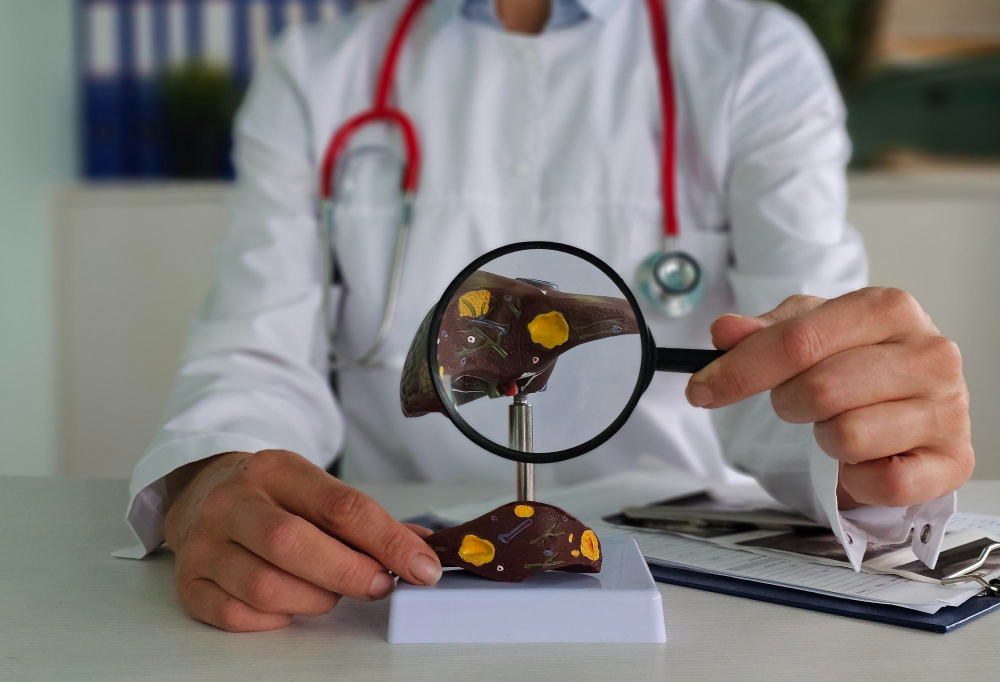
What is Liver Cirrhosis?
Liver cirrhosis is a condition where healthy liver tissue is replaced by scar tissue. This scarring blocks blood flow through the liver. As a result, the liver cannot work as well. Over time, progressive liver damage can lead to serious health problems. In the United States, liver cirrhosis is a leading cause of liver failure. Early detection is important for better outcomes.
Common Symptoms
Often, liver cirrhosis does not cause symptoms at first. However, as the disease gets worse, signs of liver cirrhosis may appear. For example, you may notice:
Because these symptoms can be mild at first, it is important to watch for changes in your health.
Major Causes
Many factors can lead to liver cirrhosis. Some of the most common causes include:
Additionally, obesity and diabetes can increase your risk. Therefore, managing these conditions is important.
Diagnosis Methods
Doctors use several methods to diagnose liver cirrhosis. First, they may ask about your symptoms and medical history. Next, they often order blood tests to check liver function. Imaging tests, such as ultrasound or CT scans, can show liver damage. Sometimes, a liver biopsy is needed to confirm the diagnosis. Early diagnosis helps guide liver cirrhosis treatment options.
Treatment Options
While there is no cure for cirrhosis, treatment can slow its progress. Treatment options may include:
Because each person is different, your doctor will suggest the best plan for you.
Lifestyle Tips for Managing Cirrhosis
Living with liver cirrhosis can be challenging. However, healthy habits can help you feel better. Try these tips:
With these steps, you can support your liver and overall health.
Prevention Strategies
Preventing liver cirrhosis is possible in many cases. To lower your risk, you can:
By following these prevention strategies, you can help protect your liver. For more tips on how to prevent liver cirrhosis, talk to your doctor.
When to See a Doctor
If you notice signs of liver cirrhosis, seek medical help right away. For example, see a doctor if you have yellow skin, swelling, or confusion. Early treatment can make a big difference. Even if you feel well, regular check-ups are important if you have risk factors.
In summary, liver cirrhosis is a serious but manageable condition. Consult Dr. Aashika Bhashyakarla for personalized advice on liver cirrhosis.